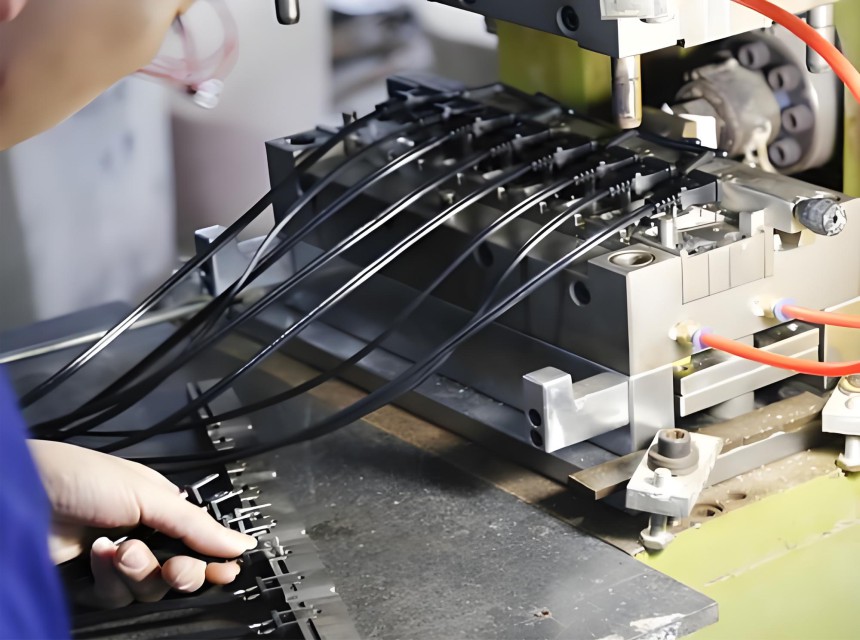
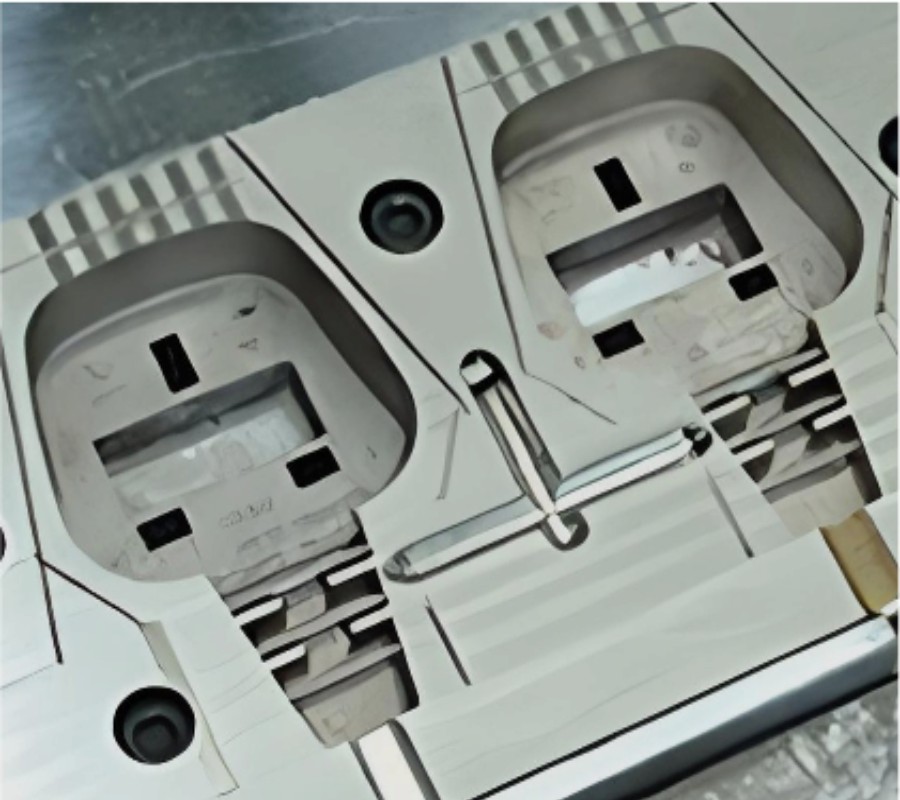
Common types and application scenarios
Plug molds are divided into various specifications based on the interface standards and usage scenarios, mainly covering the following categories:
Include AC national standard two-pin and three-pin power cord molds, as well as country-specific safety regulation power cord plug molds, widely used in household appliances and industrial equipment.
Include USB molds, TYPE-C mobile phone data cable plug molds, HDMI plug molds, and computer peripheral plug molds, suitable for the production of consumer electronics accessories.
Such as waterproof plug overmolding molds, LED single-sided light module molds, and medical plug molds, meeting the usage requirements in specific environments.
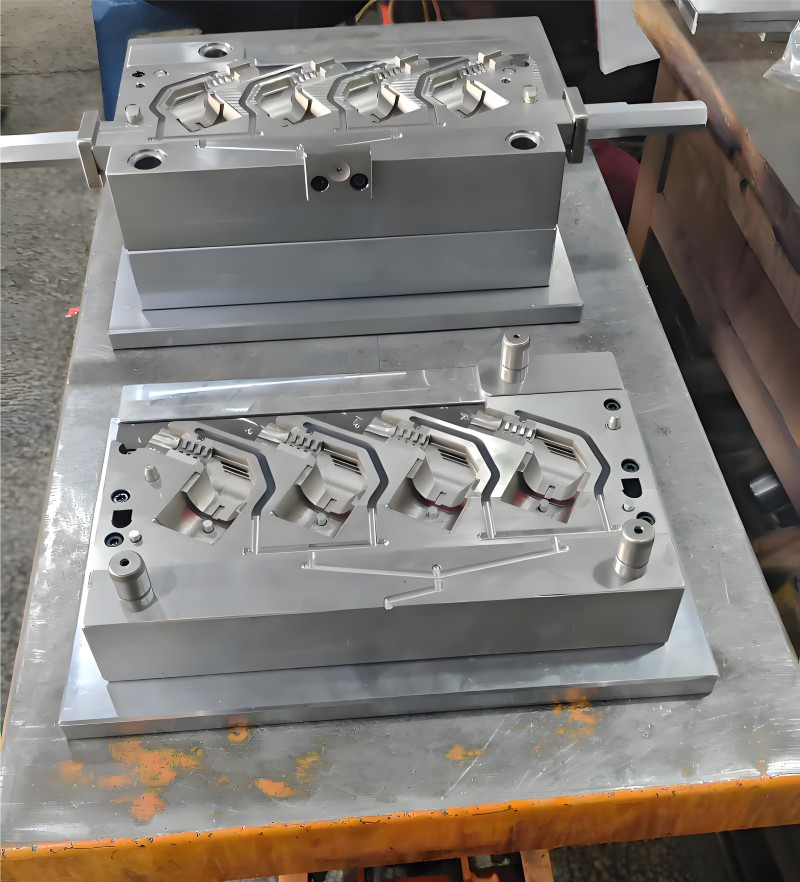
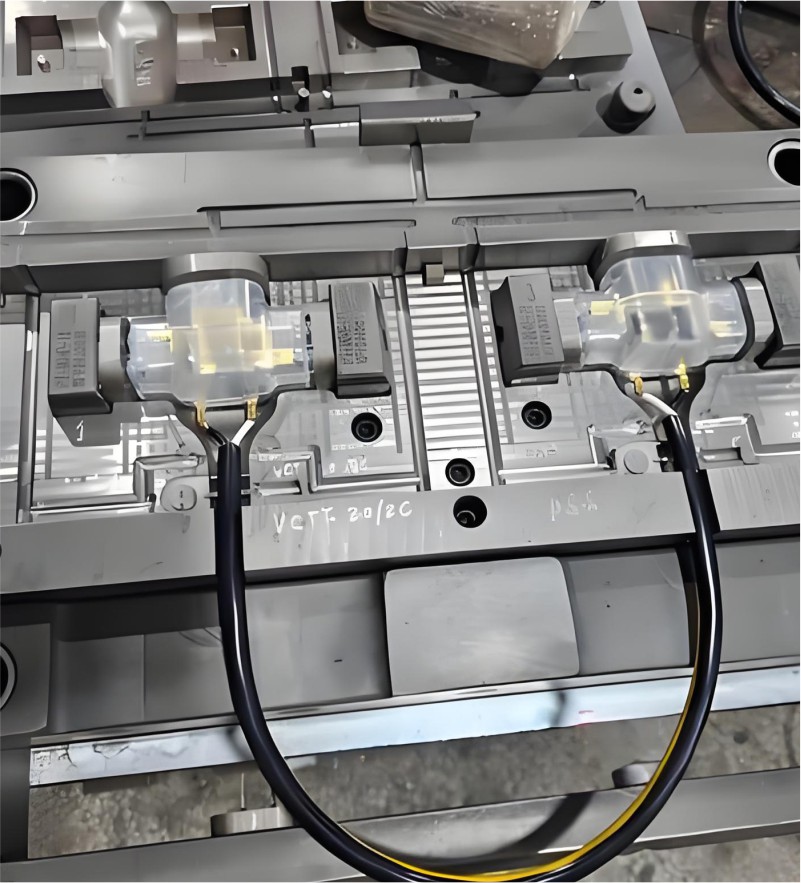
Production process and customization key points
Molding process:
Vertical injection molding is commonly used, and supporting tools such as SR wire clip molds and hollow core sleeve wire clip molds can also be provided to achieve the integration of wire and plug encapsulation.
Technical optimization:
The design of new molds focuses on cooling efficiency, such as circulating cooling water inside the convex mold to accelerate the cooling rate, or using universal injection molds to reduce specialized investment costs.
Price and delivery time:
The price of molds varies greatly, ranging from several thousand yuan to tens of thousands of yuan, depending on the complexity, number of holes, and material of the mold.
trusted expertise
Experienced designers
innovating ideas
Easy to use and durable
Selection of mold steel
The commonly used steel materials for plug injection molds include S136, NAK80, H13, and 420 stainless steel. The selection should match the production batch, plastic material, and surface requirements.
The actual selection of materials also needs to be combined with injection molding materials (such as PC, PBT, nylon), lifespan requirements (such as 100000 times vs 1 million times), whether mirror or texture is required, and cost control.